Microbiome Healthcare (NDA): The Brief Was Wrong
A microbiome healthcare company (NDA) where I led the product design function where none had existed, reporting to the Head of Product. I defined the experience value proposition for the two core revenue products and the product-market-fit strategy for a greenfield release, built the design system with tokens for white-labelling across two to three brands, stood up the research function, and mentored the product team. The brief was acquisition and churn. The data said activation, and reframing it moved the product strategy.
The brief
Microbiome science has real potential in healthcare, and its complexity is the barrier: both providers and patients struggled to understand what a result meant. Leadership framed the problem as acquisition and churn. I was brought in through The WorkShed to lead product design where there had been none, working with the C-level and reporting to the Head of Product.
Reframing through data
I went into the qualitative and quantitative data before accepting the brief. Hours in Mixpanel, categorising behaviour patterns by hand, showed that users exposed to educational material converted 20% more often. The problem was not acquisition or churn. It was activation: providers who reached a point of confidence with the science had better patient conversations, and the out-of-pocket cost of a test meant patients needed a provider who could explain it.
- Users who saw educational content converted 20% more often
- Provider confidence was the lever, not marketing spend
- The out-of-pocket cost meant patients needed provider advocacy, not more information
- The existing clinical reports used jargon a non-specialist could not read
The real problem is rarely what leadership assumes. Validate before accepting the brief.
A design function where there was none
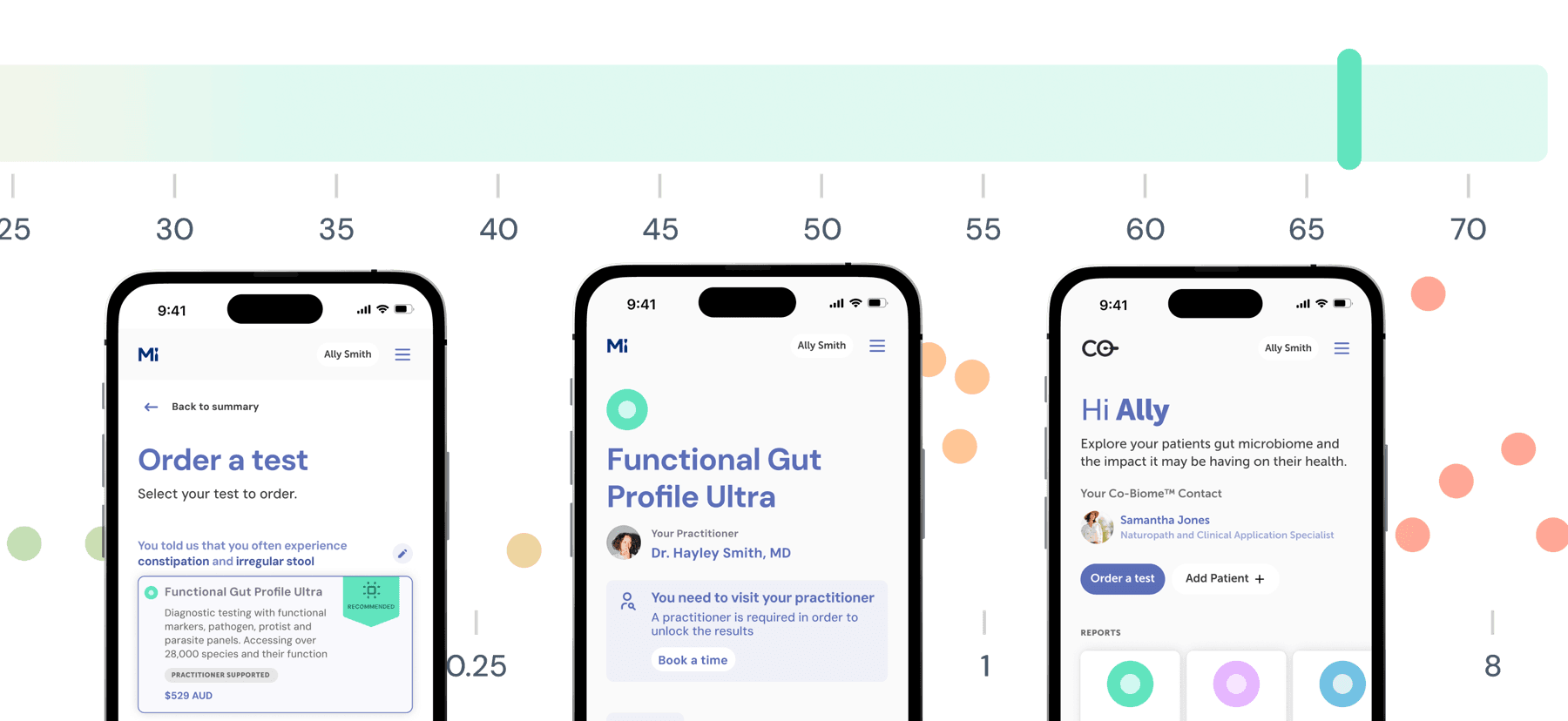
I was the sole designer, working with a seven-person team across product, engineering, marketing and social, and mentoring the product team as I went. I built the function from the ground up: a design system with tokens for multi-tenant white-labelling, used across two to three brands; brand guidelines; responsive frameworks across mobile and web; component libraries; a research function that collected more than 100 feedback points; and analytics on every screen, button and interaction.
I also defined the experience value proposition for the two core revenue products and the product-market-fit strategy for a greenfield release, which went out to customers.
A visualisation framework for two audiences
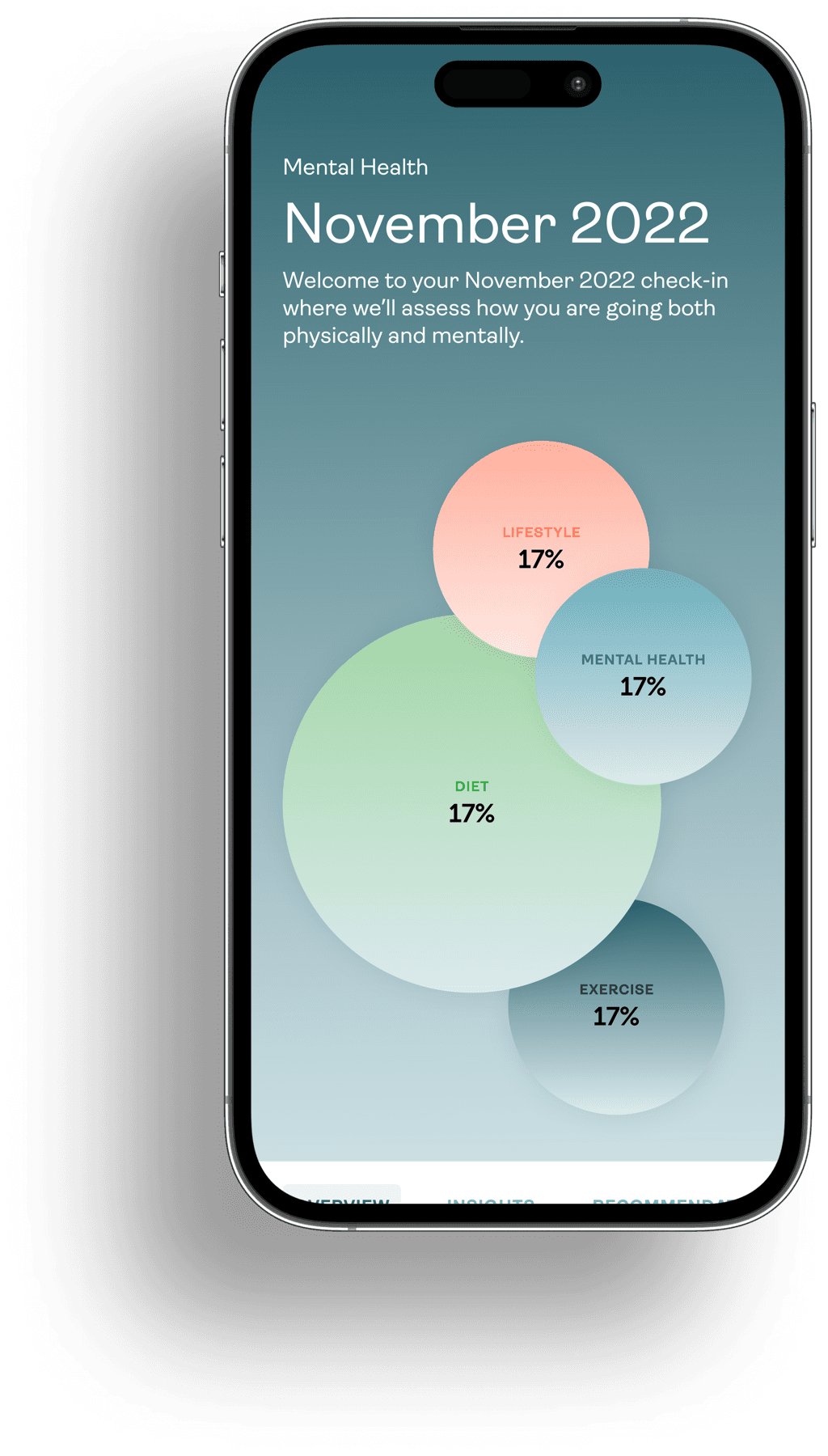
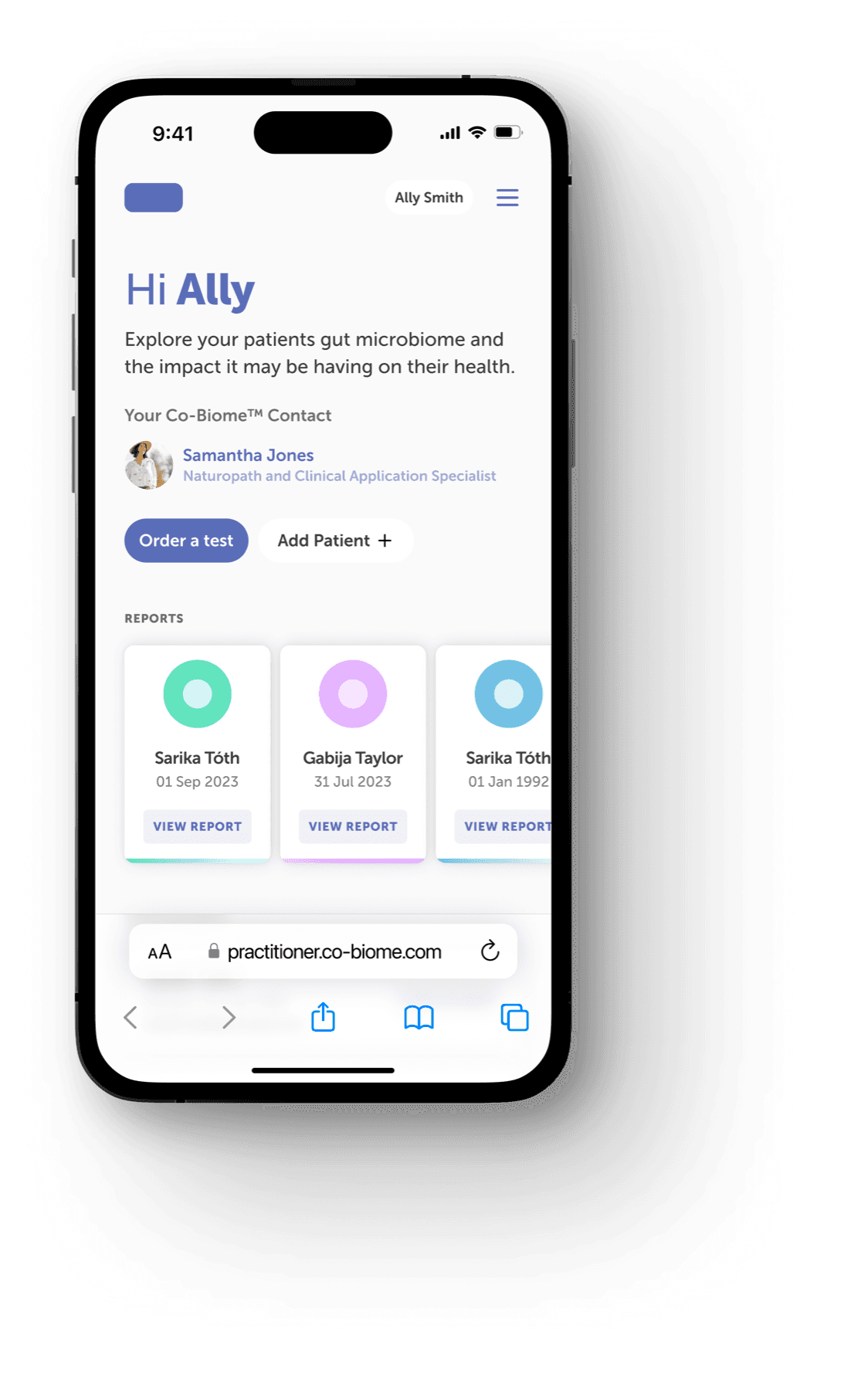
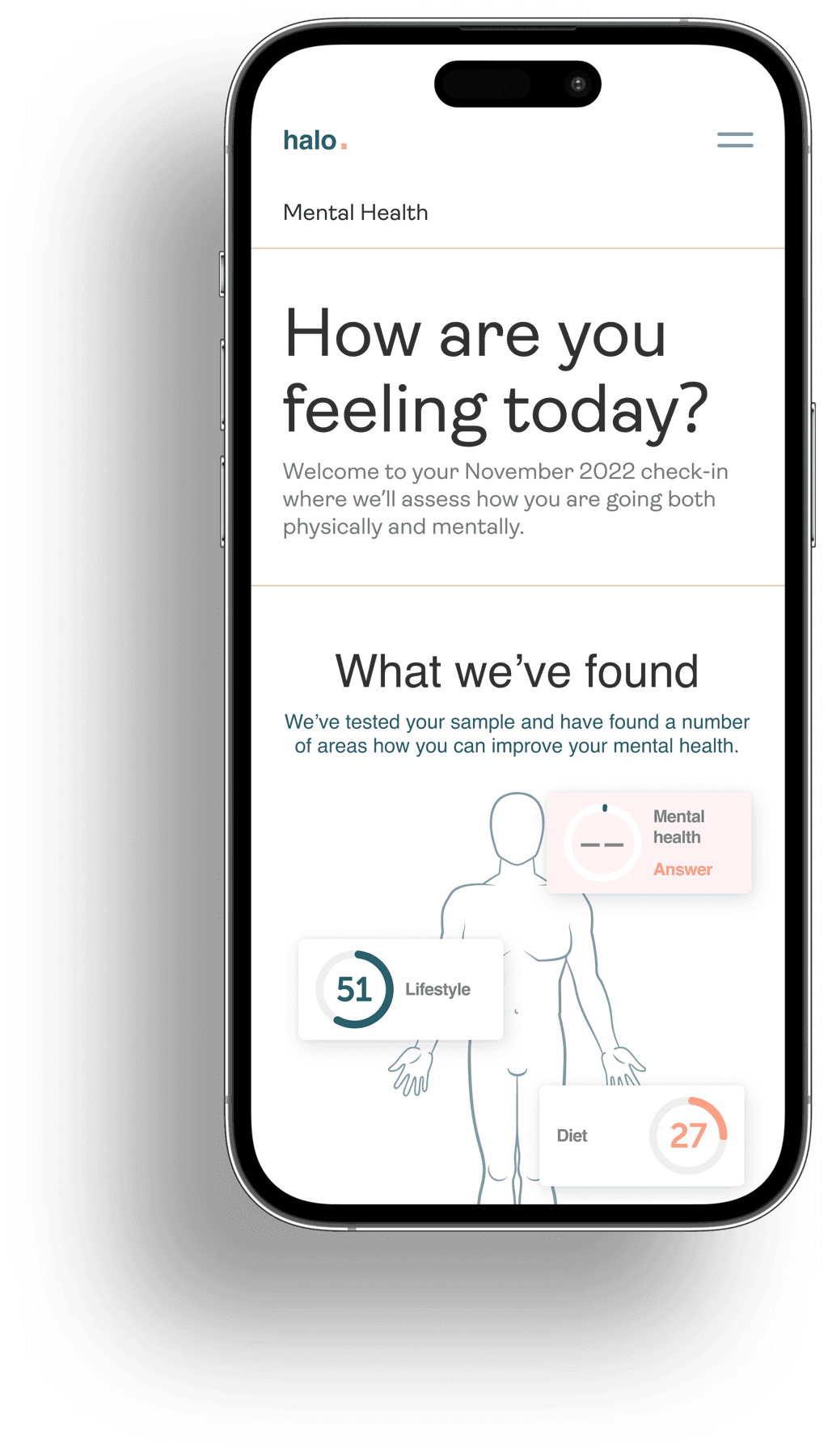
The same microbiome data had to work for a clinician and for a patient. I designed a multi-modal framework that presented it through several visual channels, each tuned to its audience.
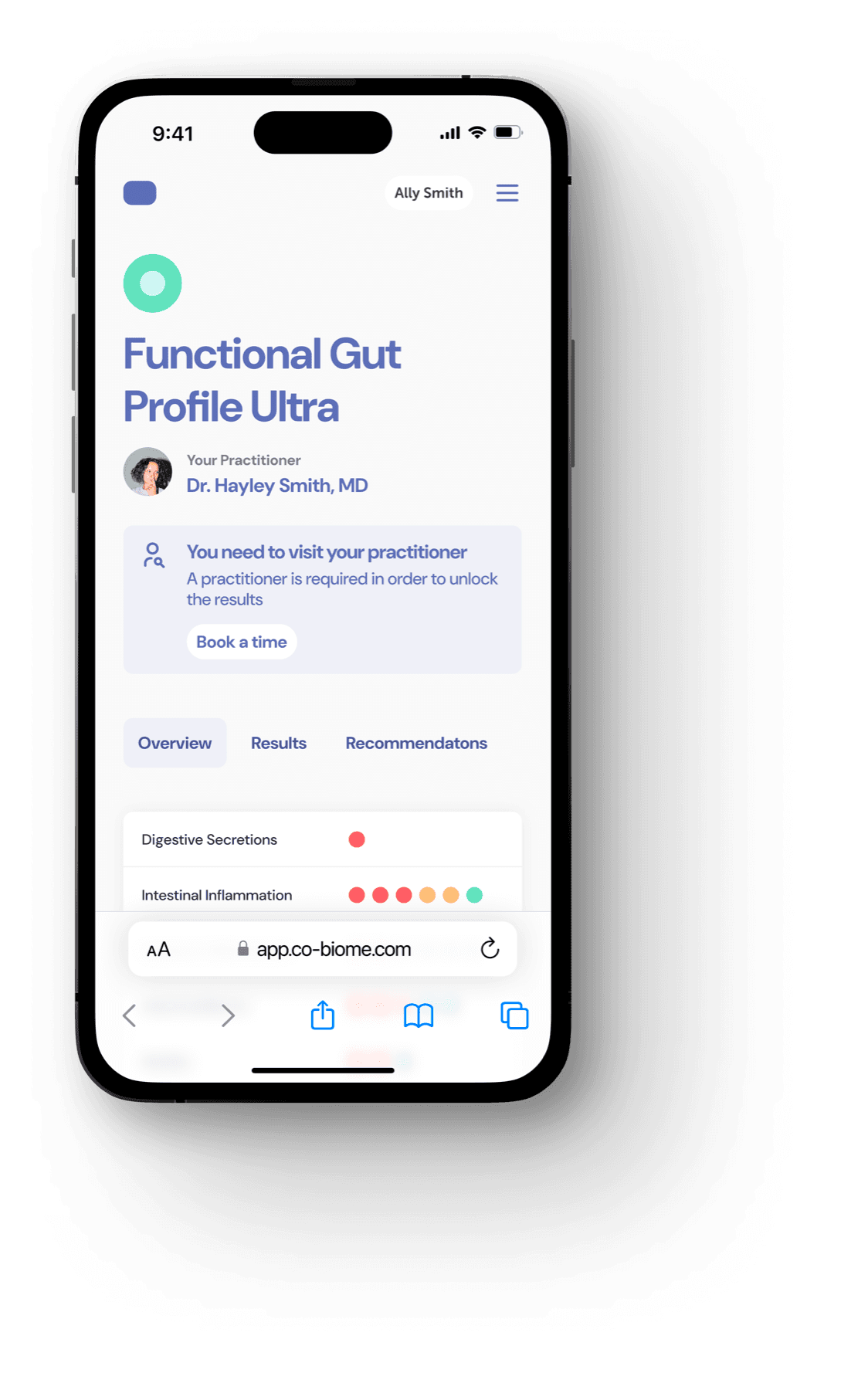
- A provider dashboard with comparative baselines and trend tracking over time
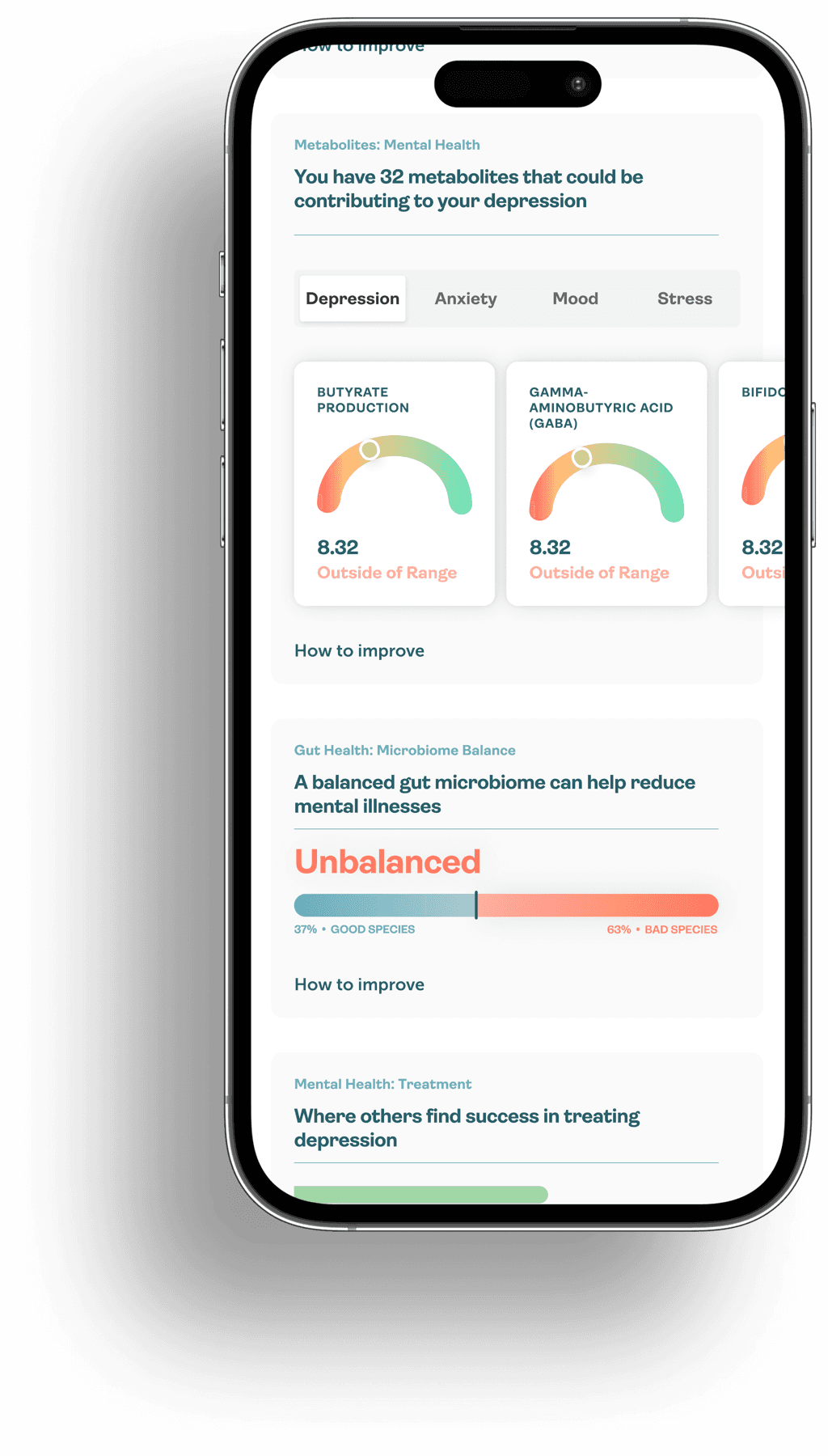
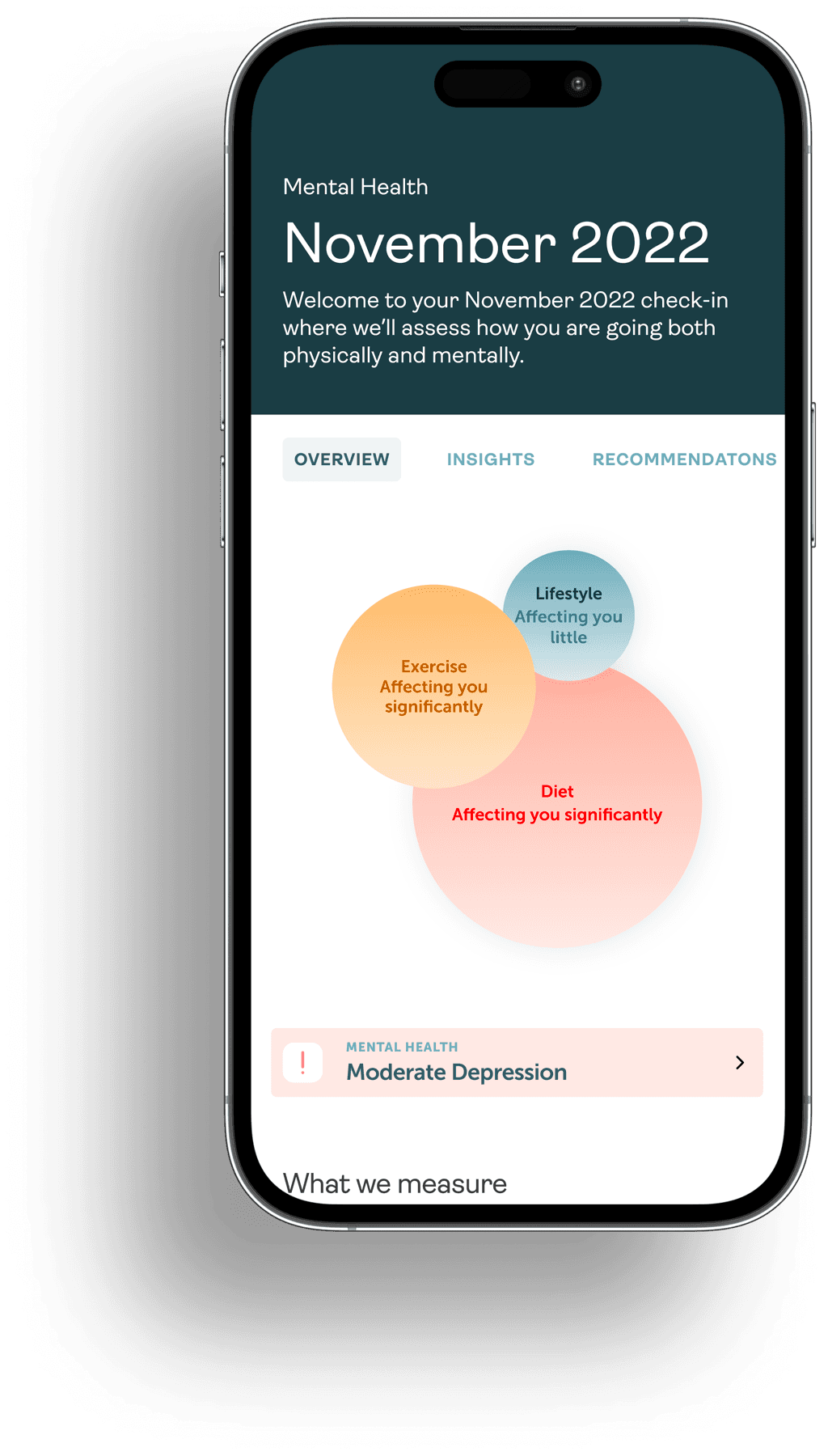
- Patient-facing reports in plain language with visual progress indicators
- Interactive learning paths, personalised to the reader
- Functional groupings that show what bacteria do in the body, rather than taxonomic classification
- Colour-blind and low-vision support designed in from the start
I mapped the journeys from the first realisation of a problem, not from product entry, so the experience held together across marketing, product and retention, with a layered information architecture that balanced accessibility with depth.
Making the case
The research and the data were presented to the business leaders, and there was real resistance to changing the strategy on them. Design leadership turned out to be about building a case for change with evidence stakeholders could not ignore. The Mixpanel data on the activation gap was the wedge that moved the product strategy.
Results
Released to customers and measured in product analytics.
- Provider confidence up 35%
- Patient understanding up 42%
- Support requests down 38%
- More than 100 feedback points through the research function
- The visualisation framework adopted as the standard for all clinical reporting
- The token design system white-labelled across two to three brands
Trade-offs
What I chose, what it gave up, and what I would revisit.
- Chose to challenge the brief with data before designing anything. Gave up the fast start leadership expected. Would revisit: no; the activation finding is what the results rest on.
- Chose a token design system built for white-labelling from the start. Gave up a quicker single-brand build. Would revisit: no; two to three brands ran on it.
- Chose to explain the science to patients through providers, rather than to patients directly. Gave up a direct-to-consumer education play. Would revisit if the out-of-pocket cost fell and patients could decide alone.
What I learned
The real problem is rarely what leadership assumes. Validate with data before accepting the brief. Design is not decoration; it drives product-market fit and retention, and when the problem was reframed from acquisition to activation the whole product strategy shifted. That reframing came from sitting in Mixpanel for hours, categorising behaviour by hand, until the signal was undeniable.
---